Martha Tadesse (she/her) is a freelance “humanitarian photographer” from Addis Ababa, Ethiopia, and a recipient of The East African Photography Award 2019, organised by Uganda Press Photo.
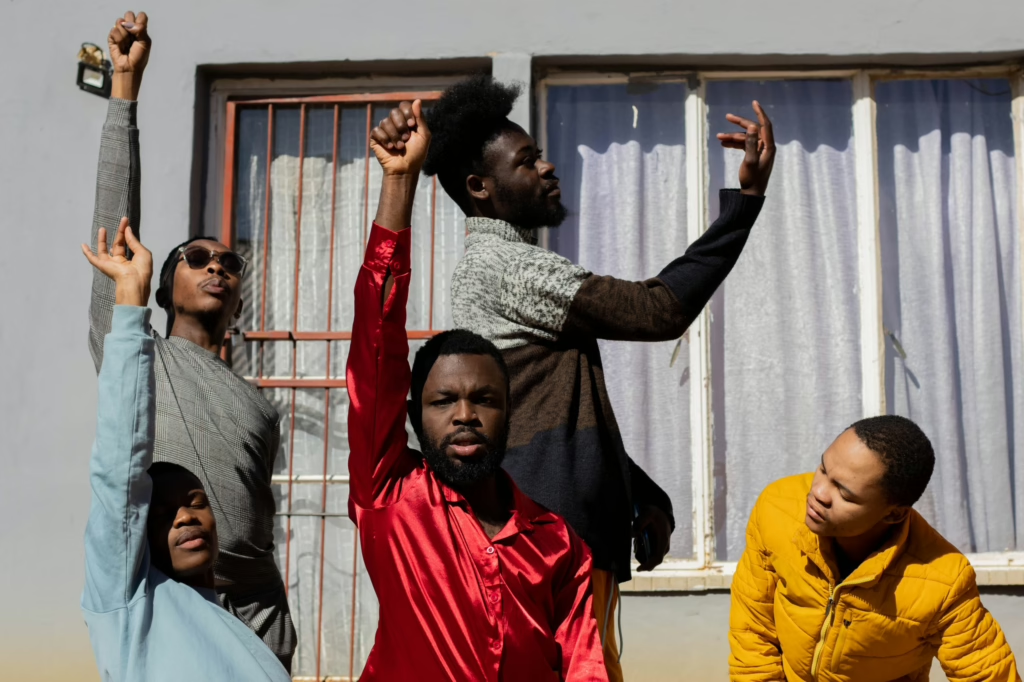
For Beyond the Margins, Tadesse shared a photo essay she produced on Imhaku Peters, a gay Nigerian man living in South Africa, who founded the House of La Glamour to help young queer migrants express themselves within the ballroom scene. Through photography and video, Tadesse has been documenting Peters’ story as part of her photo project that explores sexuality, faith, and queerness in Johannesburg.
Says Tadesse: “Even though I have always been interested in working on issues affecting queer Africans, working on queer issues within Ethiopia is impossible. This opportunity with Peters – as well as moving to Johannesburg for a year – represented the start of a new chapter in which I can document stories with artistic freedom that I have never had before. As anti-gay and anti-gender movements across the region continue to criminalisequeer Africans, I believe stories like Peters’ are critical in emphasising that queer people are here to stay and will continue to thrive… We must tell these stories and celebrate the resistance of queer Africans, who are unapologetically loving themselves in the face of hatred from the state and the people.”
Photos by Martha Tadesse
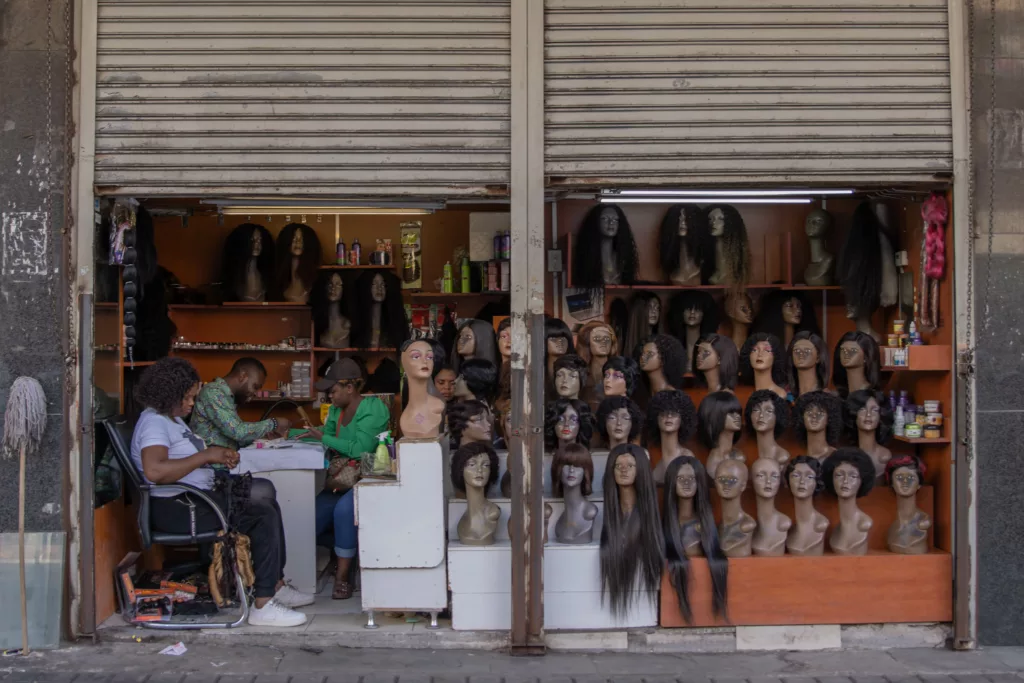
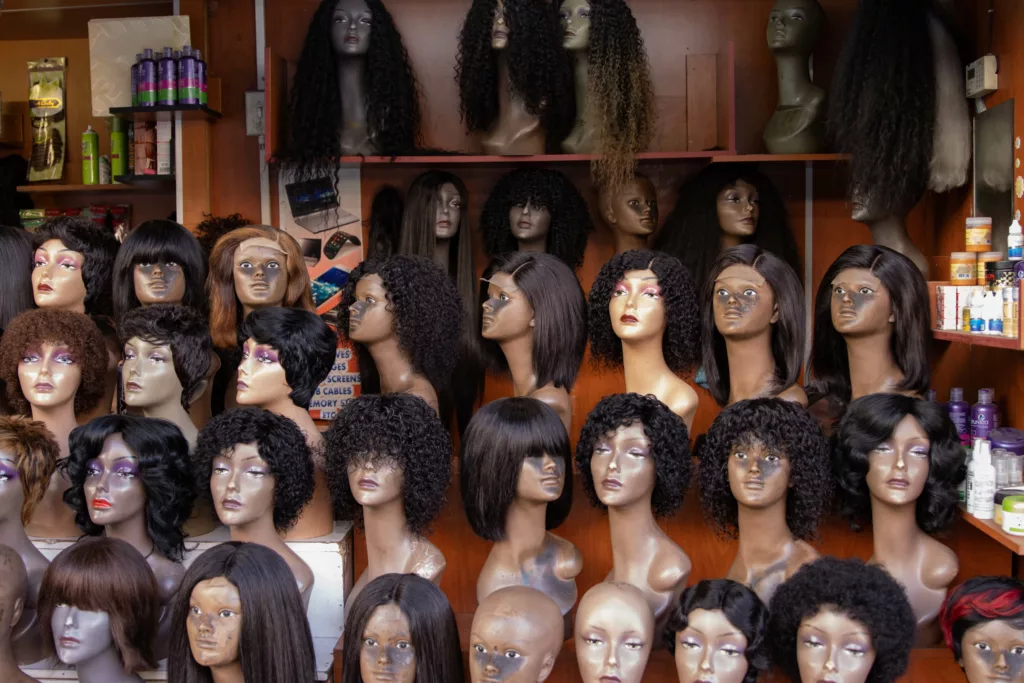
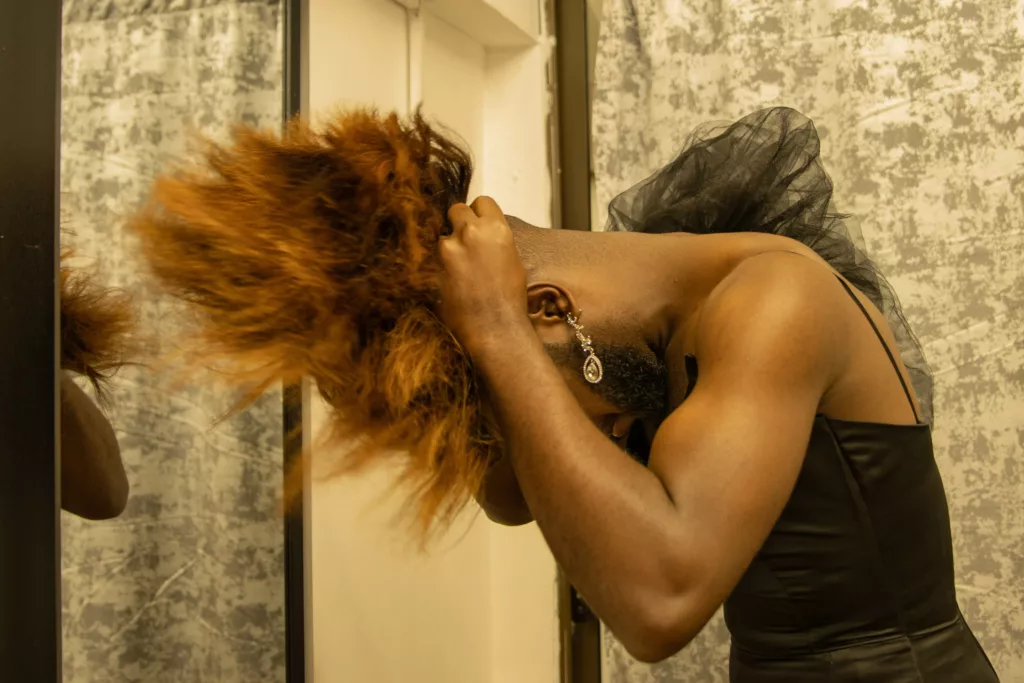
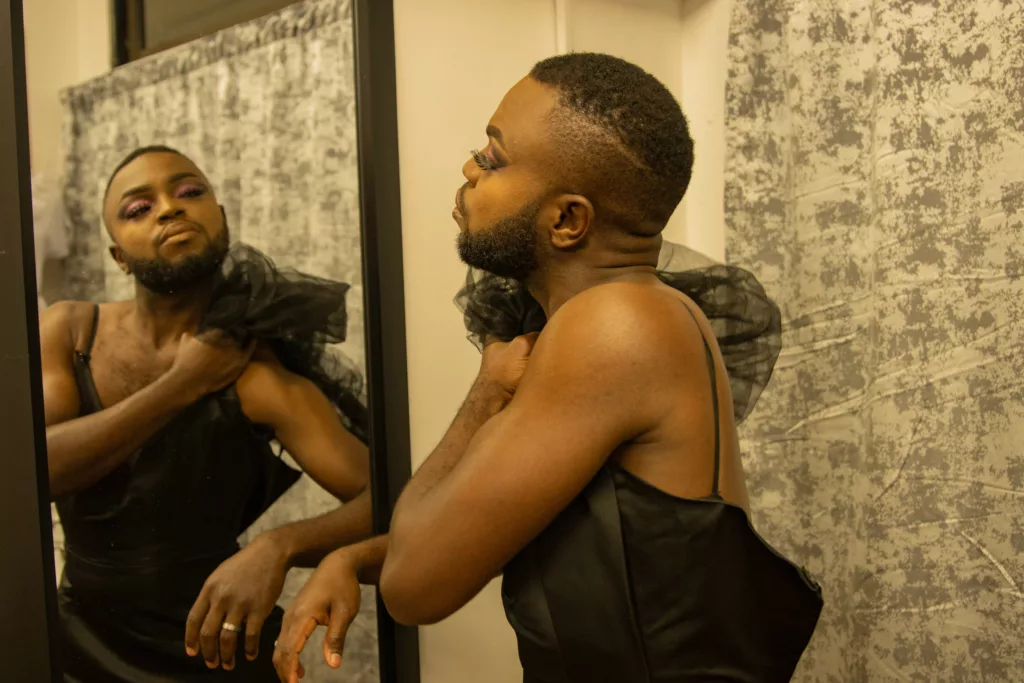
Imhaku Peters, at work in his beauty salon in Newtown, Johannesburg. An openly gay man, Peters left his country of origin, Nigeria – where same-sex relations could lead to the death penalty – in search of a better life in South Africa. “It was not very safe,” he says, of life in his home country. “It is easier and safer to be here in South Africa, because it is legal.A display of wigs for sale at Peters’ store. “I love my job, generally,” he says. “I breathe my job. It’s my every day and it’s what puts food on the table.”Peters is a regular participant in ballroom events, such as Vogue Nights Jozi, and also has his own “little drag show”, The Legendary Ball Joburg.“A lot of people do not expect you, as a man – especially as an African man from Nigeria – to wear makeup or put on a dress or wear a wig,” he says, adding: “I feel very inspired and very strong when I do the things which people do not expect of me.Despite South Africa’s reputation as a ‘safe haven’ for queer persons on the continent fleeing persecution in their home countries, many queer migrants living in South Africa face queerphobia and xenophobia, which often highlights the divide between the country’s progressive legislation and the realities on the ground. Peters realised this soon after arriving in South Africa. “I found out that there are a lot of queer people out there, from all around Africa, that need a safe place to call home,” he says. It was this realisation that led him to establish the House of La Glamour.The House of La Glamour is centred around helping young queer migrants from various parts of Africa express themselves within Johannesburg’s ballroom scene. Here, some of the house’s ‘children’ assist Peters as he prepares for a performance at Vogue Nights Jozi.